
Field Report · AGU-17
측정되지 않은 상류 — 제18차 APRSCP 라운드테이블 필드 리포트 ①: 순환성의 데이터 공백은 농장에 있다
The Unmeasured Upstream — 18th APRSCP Roundtable Field Report, Part 1: Circularity's Data Gap Sits at the Farm
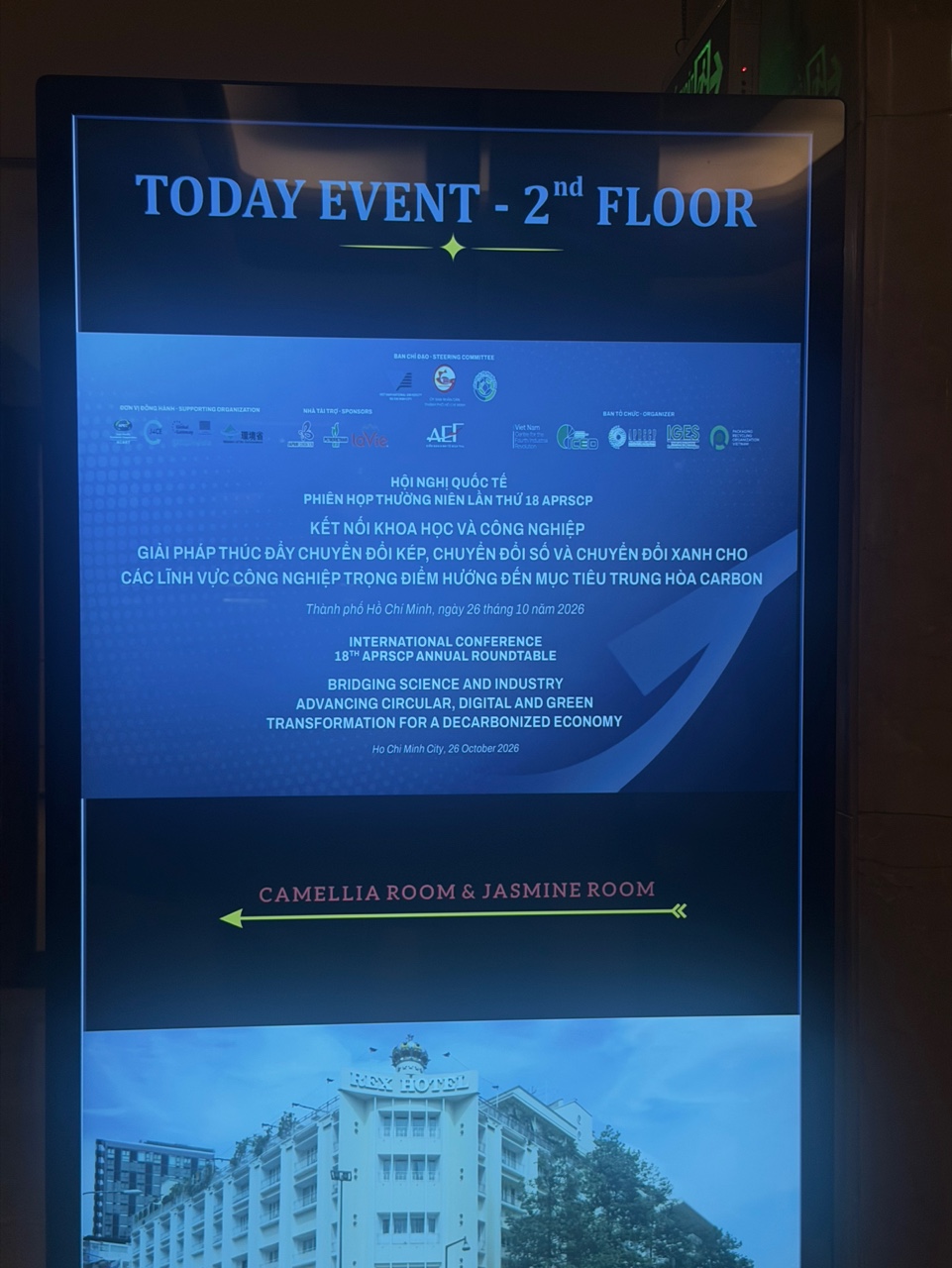
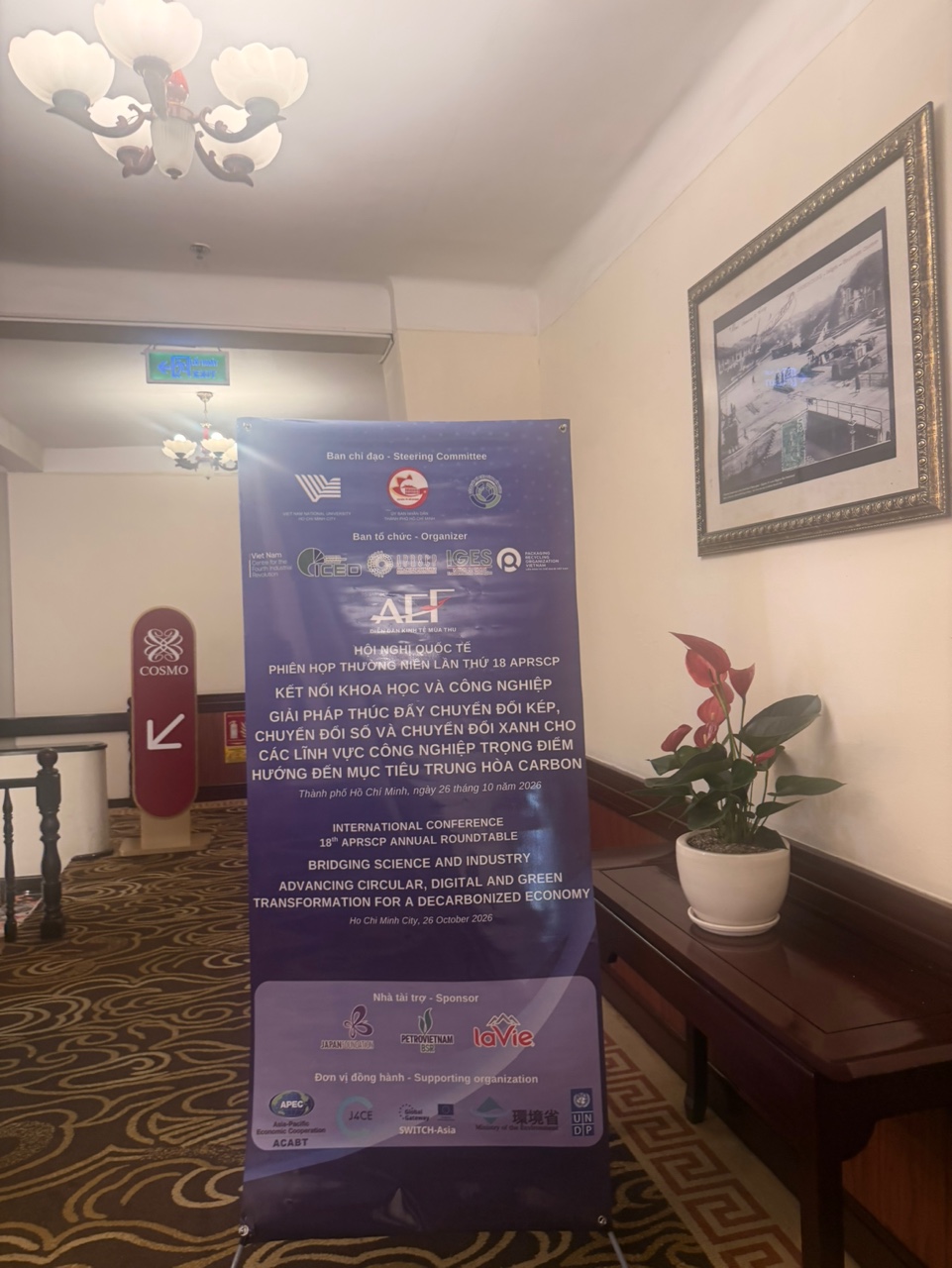
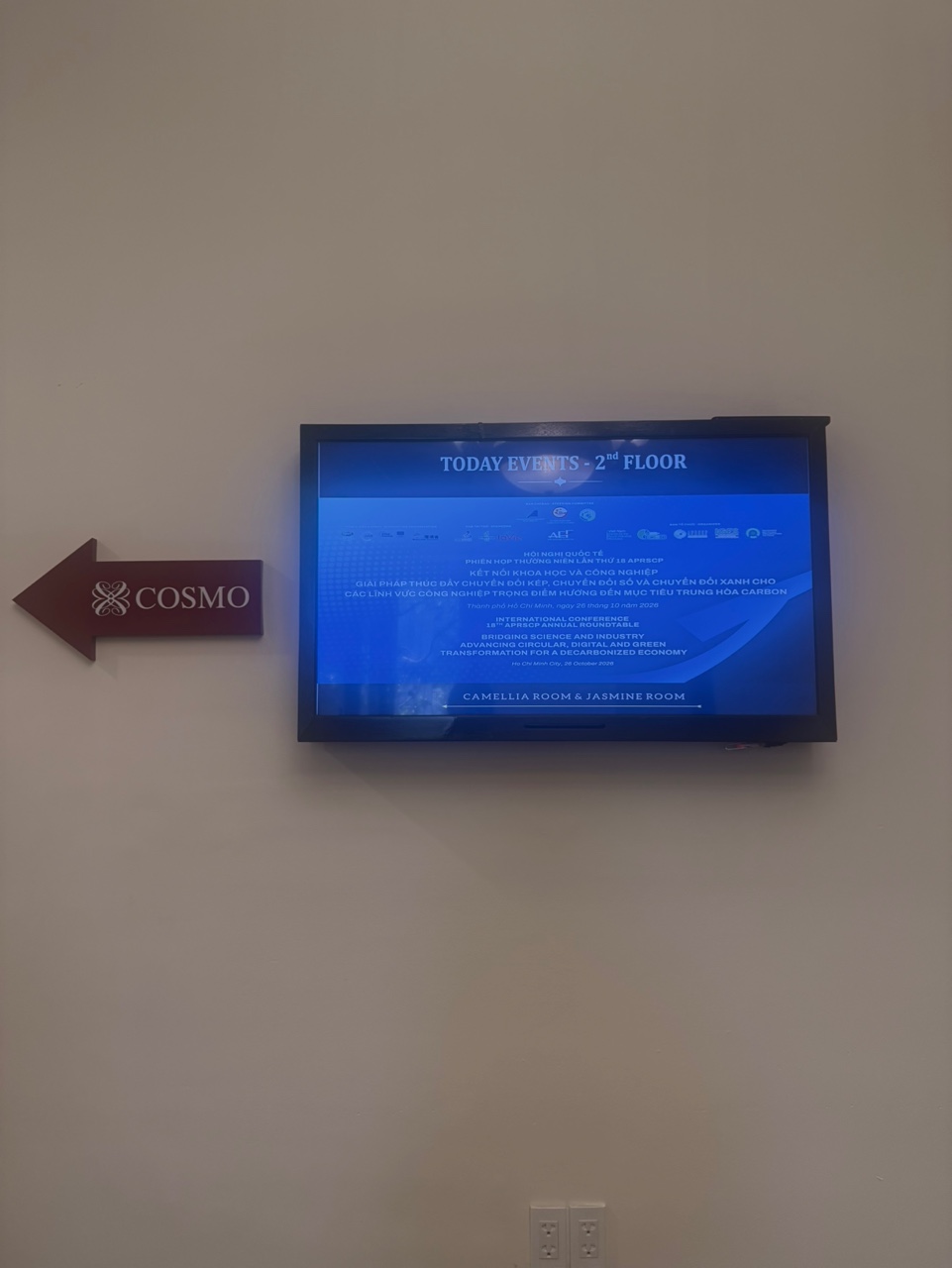
일시·장소: 2026년 10월 26일(월), 베트남 호치민시 렉스 호텔. 가을경제포럼(The Autumn Economic Forum 2026, 10월 26–29일)의 공식 부대행사로 열린 제18차 APRSCP 국제회의. 이 글은 AgUni의 AEF 2026 필드 리포트 시리즈 첫 편으로, 오전 개회·기조 세션을 다룬다. 고위급 대화와 오후 주제별 세션, 폐회 메시지는 다음 편에서 이어 쓴다. 요약
아시아태평양 지속가능한 소비·생산 라운드테이블(APRSCP)이 호치민에서 18번째 연례 회의를 열었다. 오전 내내 반복된 말은 시스템 전환(SCP 3.0), 이중 전환(디지털과 녹색의 결합), 테스트베드였다. 그런데 발표 화면을 하나씩 다시 들여다보면 공통된 빈칸이 보인다. 순환경제의 생애주기(life-cycle) 도식은 상류에서 하류로 그려져 있었지만, 그 상류의 맨 앞인 농장은 측정되지 않은 채 남아 있었다. 농산물은 부산물과 바이오매스로 불렸고, 그 물질이 어떤 조건에서 만들어졌는지는 대부분 평균값으로 처리된다.
AgUni는 이 공백이 순환경제가 금융으로 넘어가지 못하는 가장 근본적인 이유라고 본다. 데이터가 없는 것이 아니라 평균으로 채워져 있기 때문에, 잘 만든 원물과 그렇지 않은 원물이 같은 숫자로 기록되고, 금융은 그 차이를 가격에 반영할 수 없다. 오전 세션에서 소개된 사례들이 규모로 넘어간 방식도 결국 누군가가 이 공백을 대신 메운 경우였다. 상류에서 생산 단위마다 검증된 데이터가 만들어질 때 이 공백이 닫히고, 순환은 비로소 금융 가능한 자산이 된다.
근거 등급: A 설계 규격 · B 운영 기록 · C 연구 시험 · D 설계 목표/추정.
1. 회의의 좌표: SCP 3.0과 이중 전환
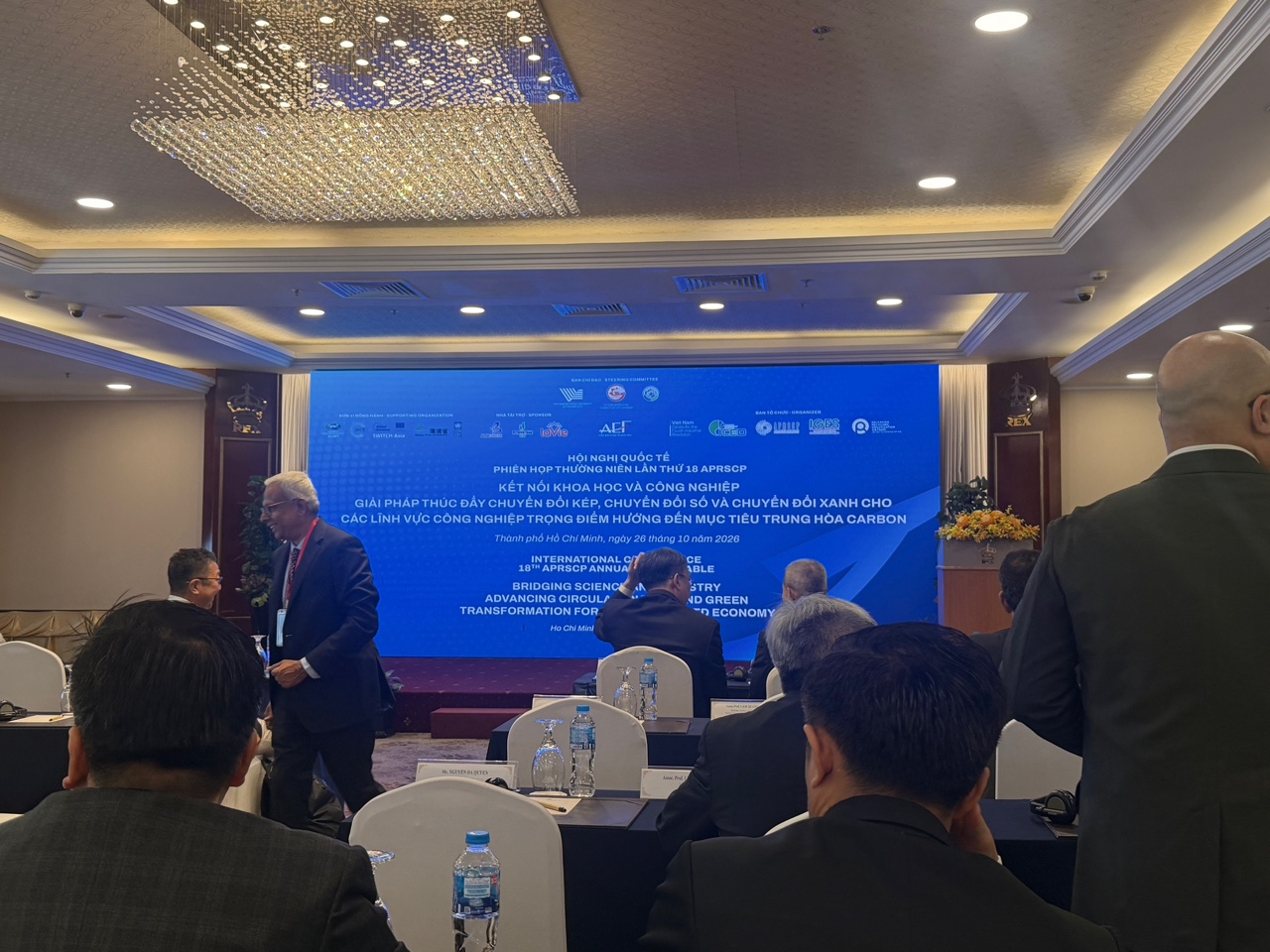
APRSCP는 1997년부터 아시아태평양의 지속가능한 소비·생산(SCP) 논의를 이어 온 지역 플랫폼이다. 올해 회의는 호치민국립대(VNU-HCM)가 주최하고, 호치민시 인민위원회와 베트남 산업무역부(MOIT)의 지속가능한 생산·소비 국가행동계획(2021–2030)이 공동 주관했다. 실무는 APRSCP, VNU-HCM 순환경제개발연구소(ICED), 일본 지구환경전략연구기관(IGES), 호치민 제4차산업혁명센터(C4IR)가 맡았다.
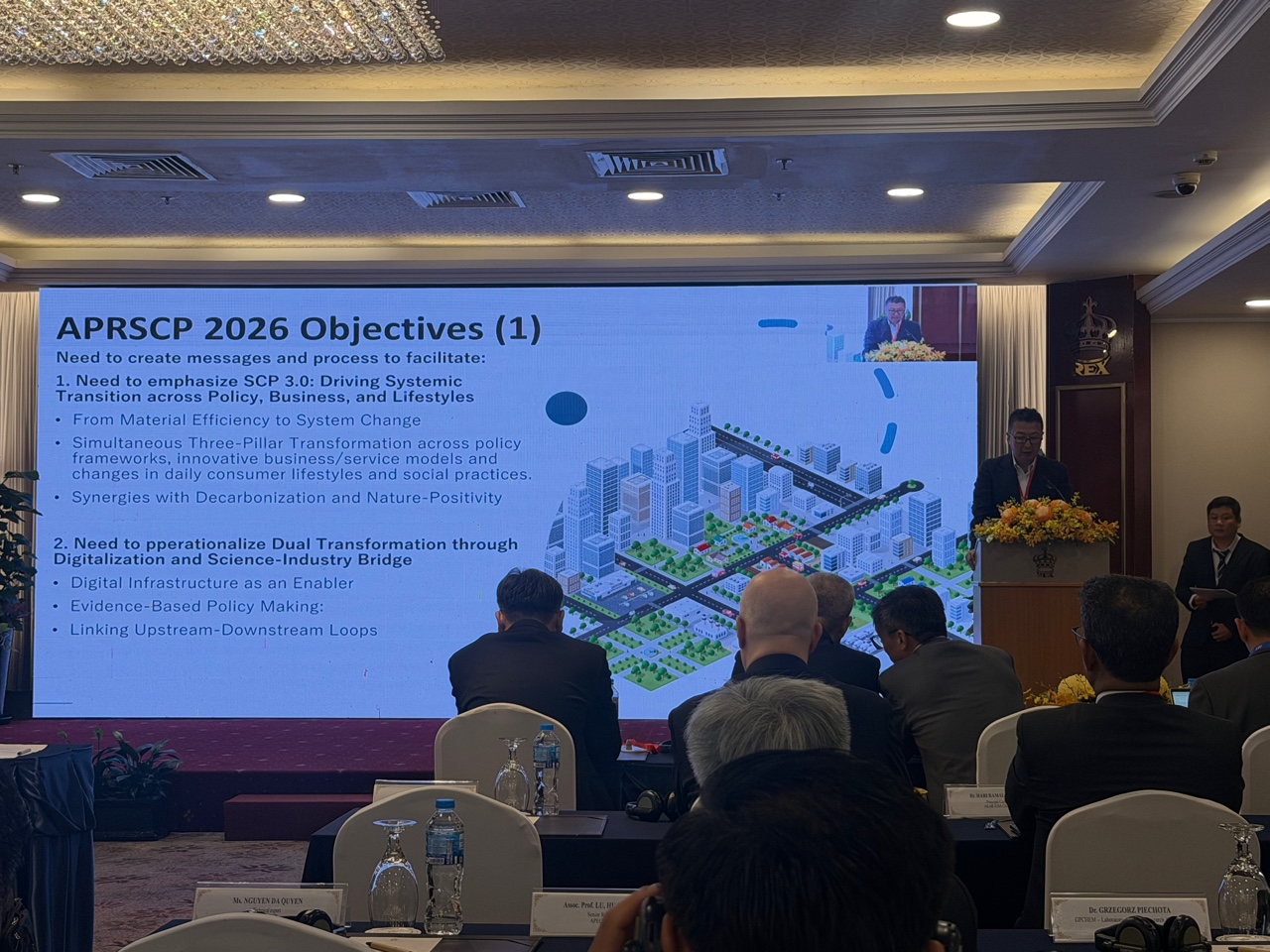
개회 발표는 SCP를 세 단계로 정리했다. 1.0이 청정생산, 2.0이 자원효율이었다면, 3.0은 넷제로·순환·자연 긍정(nature-positive)을 하나의 시스템으로 묶는 전환이다. 2026년 목표도 같은 방향이었다. 물질 효율에서 시스템 변화로 넘어가고, 정책·비즈니스 모델·생활양식을 동시에 바꾸며, 디지털 인프라와 과학-산업 연결로 이중 전환을 실행 단계로 옮긴다. 실행 수단으로는 디지털 인프라, 근거 기반 정책, 그리고 상류와 하류 고리의 연결이 꼽혔다.
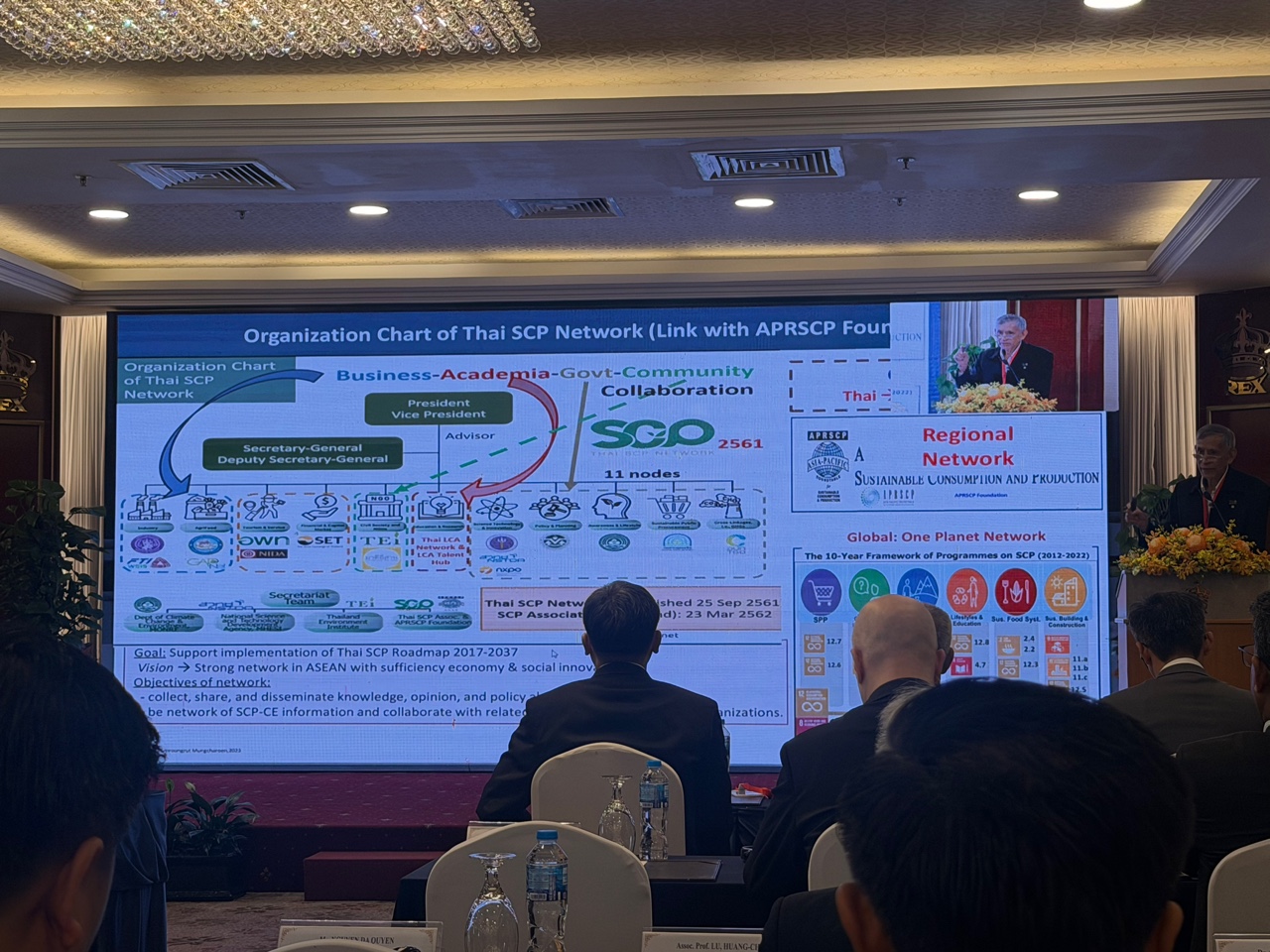
태국 SCP 네트워크는 기업·학계·정부·지역사회가 함께하는 11개 노드 구조로 태국 SCP 로드맵(2017–2037)을 뒷받침하고 있으며, 관광지·지방정부와 함께 저탄소 농업을 우선순위에 두고 있다. 2025년 쿠알라룸푸르에서 AgUni가 제안한 산·학·관 트리플 헬릭스에 지역사회가 더해진 구조라 반가웠다. 회의 결과는 'APRSCP 2026 호치민 핵심 메시지'로 정리되어 2030 이후 의제를 준비하는 'Pathways to 2030' 과정과 유엔 아시아태평양 지속가능발전포럼(APFSD), 고위급정치포럼(HLPF)으로 이어질 예정이다.
2. 도식 위의 빈칸: 상류는 그려졌지만 측정되지 않는다
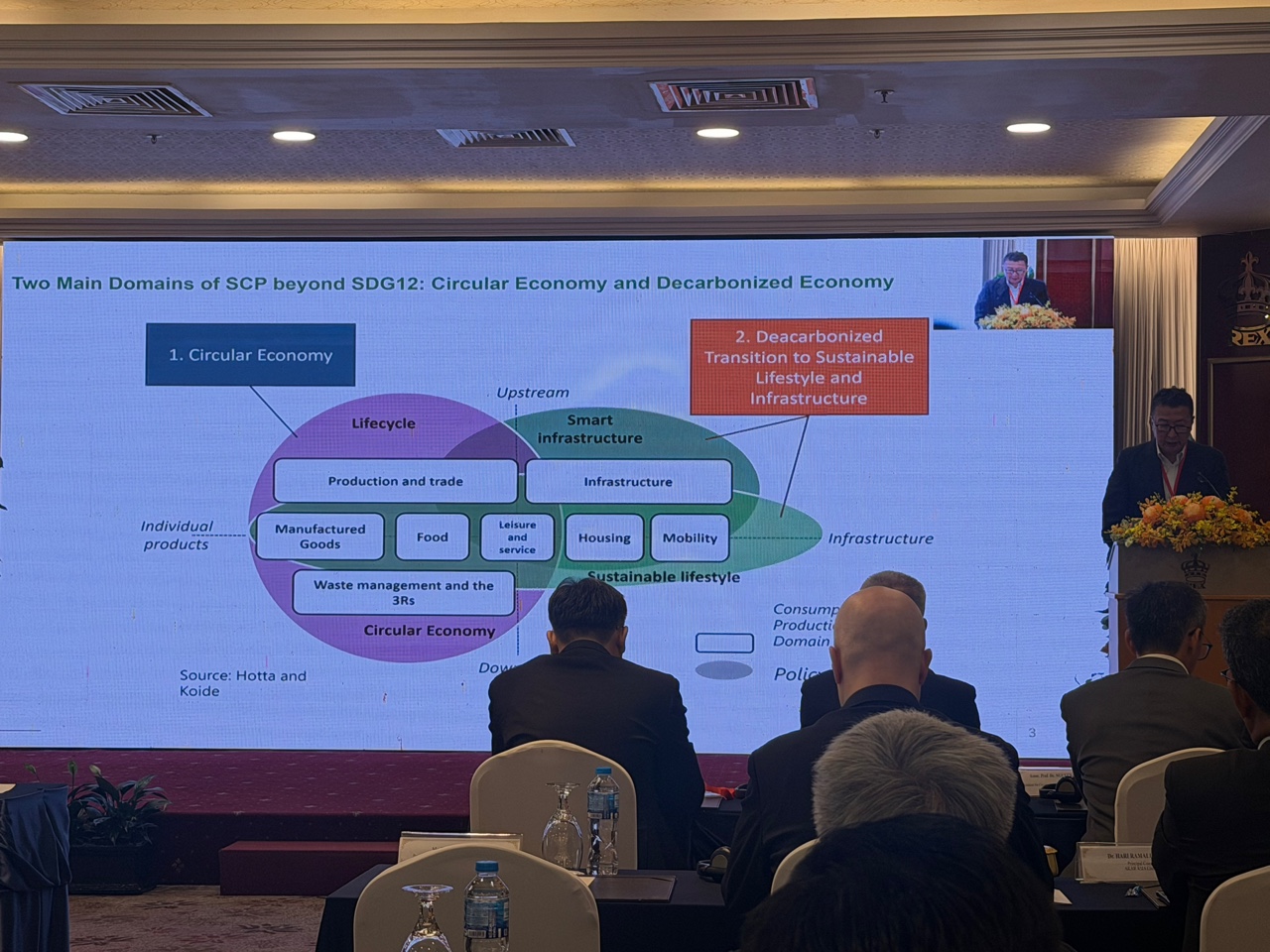
개회 발표에서 가장 오래 들여다본 화면은 SCP의 두 영역을 그린 도식이었다. 왼쪽의 순환경제 영역은 생애주기를 따라 생산과 무역, 제조품, 식품, 폐기물 관리로 이어지고, 오른쪽의 탈탄소 영역은 인프라와 주거, 이동으로 이어진다. 화면 위쪽에는 상류(upstream), 아래쪽에는 하류(downstream)라는 축이 표시되어 있었다. 식품은 생애주기 안에 분명히 놓여 있었다. 그러나 그 식품의 출발점인 농장, 즉 상류의 맨 앞은 도식 어디에도 독립된 자리로 그려져 있지 않았다.
이 빈칸은 도식의 문제가 아니라 데이터의 문제다. 전과정평가(LCA)에서 공장 단계는 대개 그 공장이 직접 계측한 1차 데이터로 채워진다. 반면 농장 단계는 국가 평균이나 데이터베이스의 기본 배출계수 같은 2차 데이터로 채워지는 경우가 많다. 식품기업의 탄소발자국 대부분이 원료 농산물 단계, 곧 Scope 3의 구매 원료에 몰려 있다는 것은 업계에서 널리 알려진 사실이다. 가장 큰 몫이 가장 덜 측정되는 곳에 있는 셈이다.
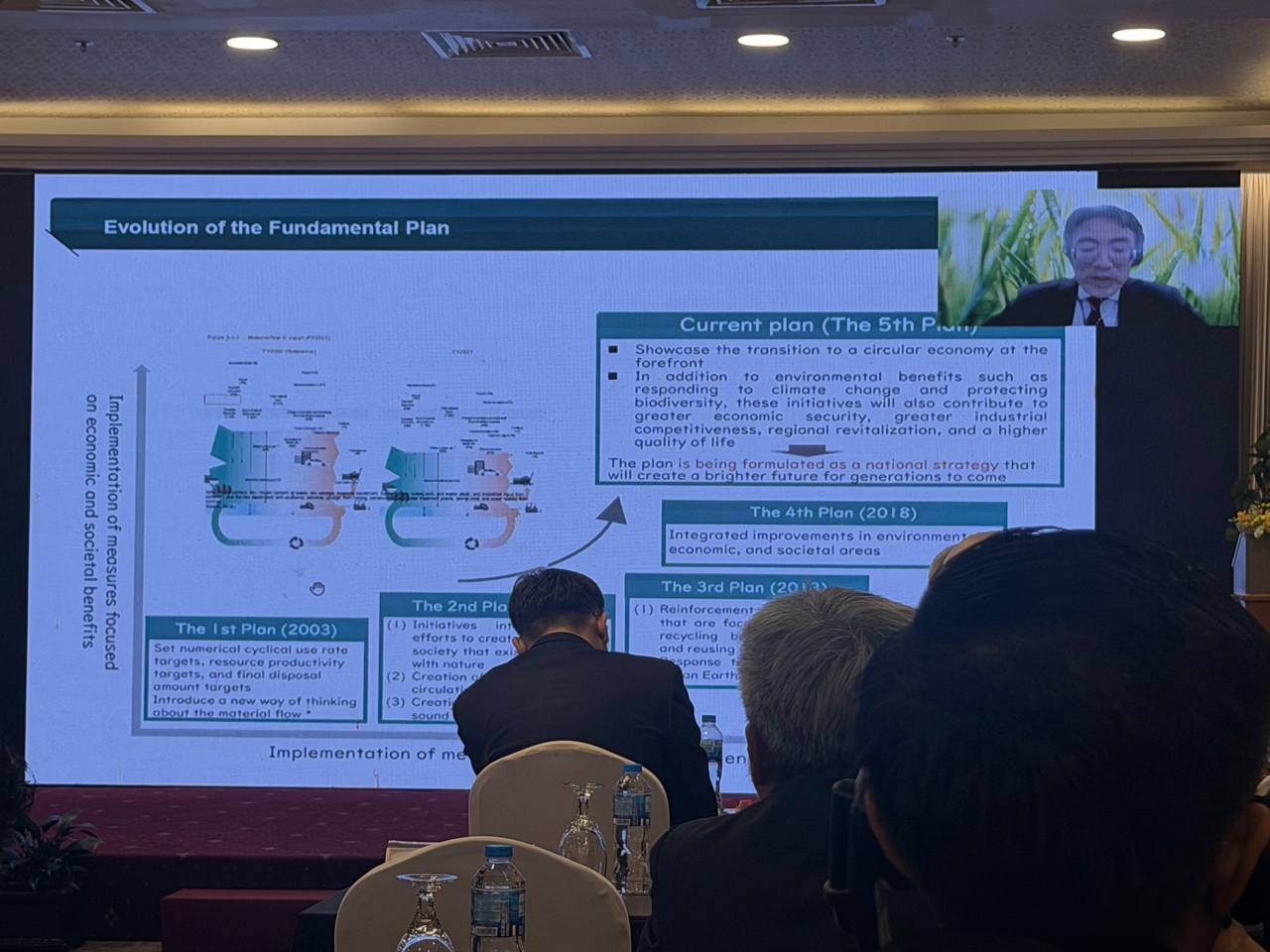
일본 환경성의 기조발표는 이 문제가 왜 중요한지를 반대 방향에서 보여 주었다. 2003년 일본의 순환형 사회 형성 1차 기본계획은 순환이용률, 자원생산성, 최종처분량이라는 세 개의 수치 목표에서 출발했다. 측정할 수 있는 것부터 관리하기 시작한 것이다. 그 20여 년의 축적이 현행 5차 계획에서는 경제안보, 산업경쟁력, 지역 활성화를 함께 다루는 국가 전략으로 넓어졌다. 순환 정책이 산업 정책이 되려면 먼저 물질 흐름이 숫자로 잡혀야 한다는 것을 일본의 궤적이 말해 준다.
3. 왜 농장이 공백으로 남는가
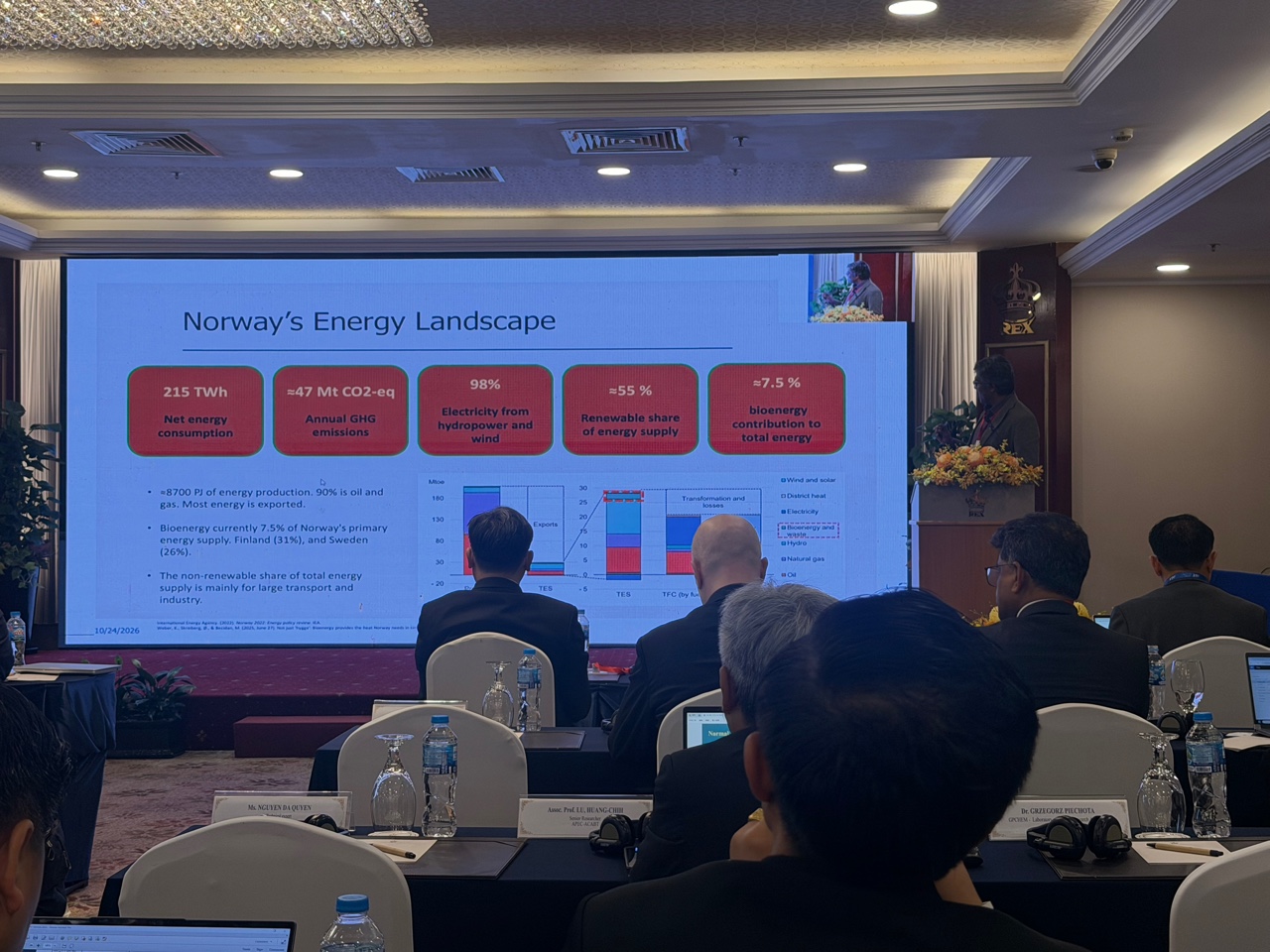
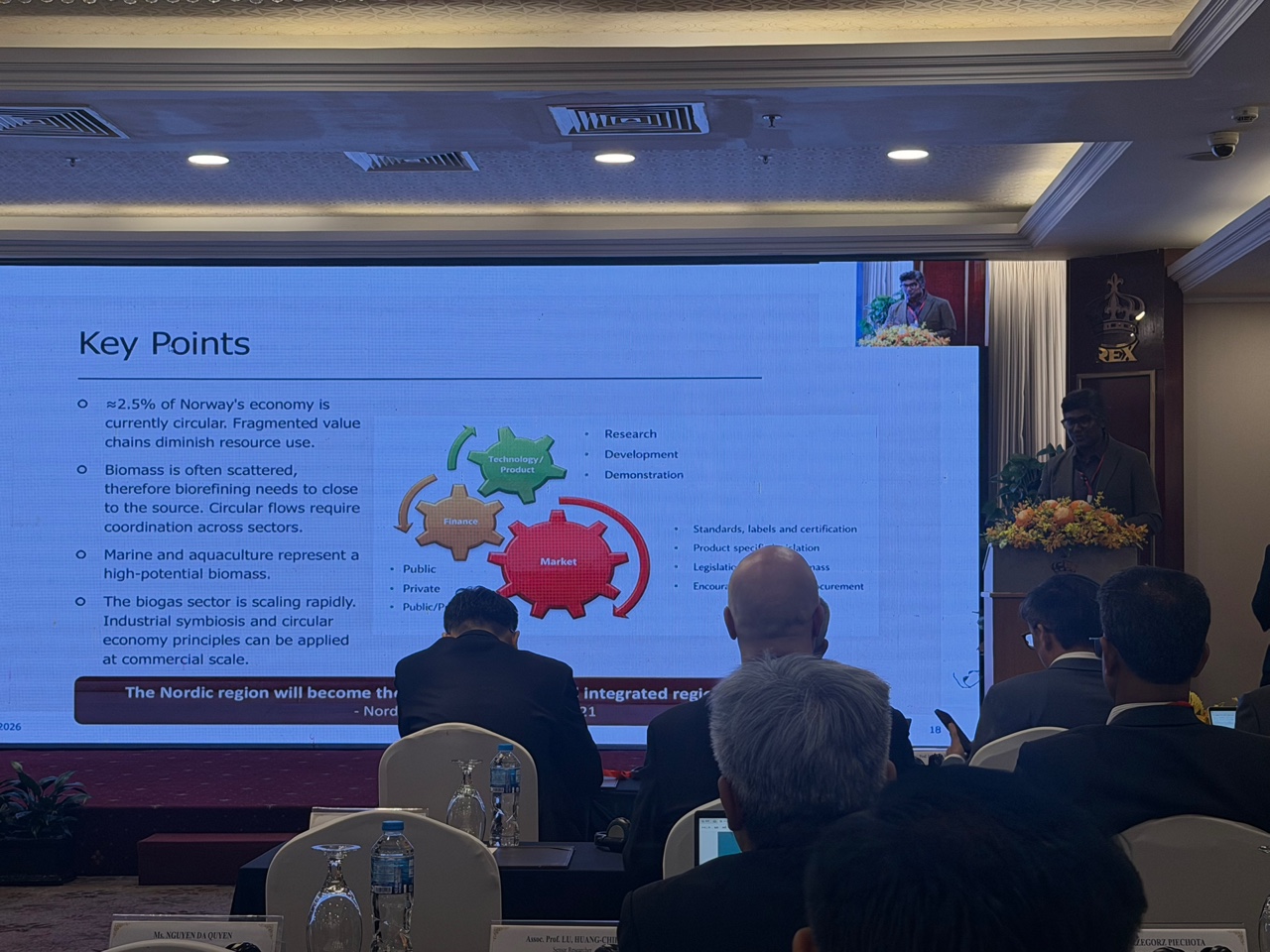
노르웨이 스타방에르대학의 기조발표는 출발점부터 솔직했다. 노르웨이 경제에서 순환적인 부분은 약 2.5%에 그치고, 가치사슬이 끊겨 있어 자원 사용을 줄이지 못한다는 것이다. 노르웨이는 전력의 98%를 수력과 풍력으로 얻지만, 생산하는 에너지의 90%는 석유와 가스이고 바이오에너지는 1차 에너지 공급의 7.5% 수준이다. 같은 지표가 핀란드는 31%, 스웨덴은 26%다.
이 발표에서 가장 중요한 문장은 바이오매스가 흩어져 있다는 진단이었다. 흩어져 있기 때문에 바이오리파이너리가 원천 가까이 가야 하고, 흩어져 있기 때문에 측정도 어렵다. 농장 단계가 공백으로 남는 이유는 세 가지로 정리할 수 있다.
첫째, 단위가 작고 많다. 수많은 소농이 각자 다른 조건에서 생산하니, 농가 하나하나를 계측하는 비용이 그 농가가 만드는 가치보다 크다. 둘째, 변동이 크다. 같은 작물도 계절과 날씨, 토양에 따라 성분과 양이 달라진다. 한 번 잰 값이 다음 수확에 맞지 않는다. 셋째, 기록이 생산 이후에 시작된다. 대부분의 추적 체계는 수거나 출하 시점에서 첫 기록을 남긴다. 그 물질이 어떤 물과 에너지, 투입재로 만들어졌는지는 그 이전의 일이라 기록 밖에 남는다.
결과적으로 농장 단계는 데이터가 없는 것이 아니라 평균으로 채워진다. 여기에 이 공백의 가장 큰 비용이 있다. 평균값으로 기록되면 물과 에너지를 아껴 가며 잘 키운 원물과 그렇지 않은 원물이 같은 숫자를 갖는다. 차이가 기록되지 않으니 차이에 값을 매길 수 없다. 농업 밖에서 이 분야에 들어와 일하며 가장 자주 느끼는 것도 이 점이다. 현장에는 분명히 차이가 있는데, 숫자로 넘어가는 순간 그 차이가 사라진다.
4. 사례는 누가 공백을 메웠을 때 규모가 되었나
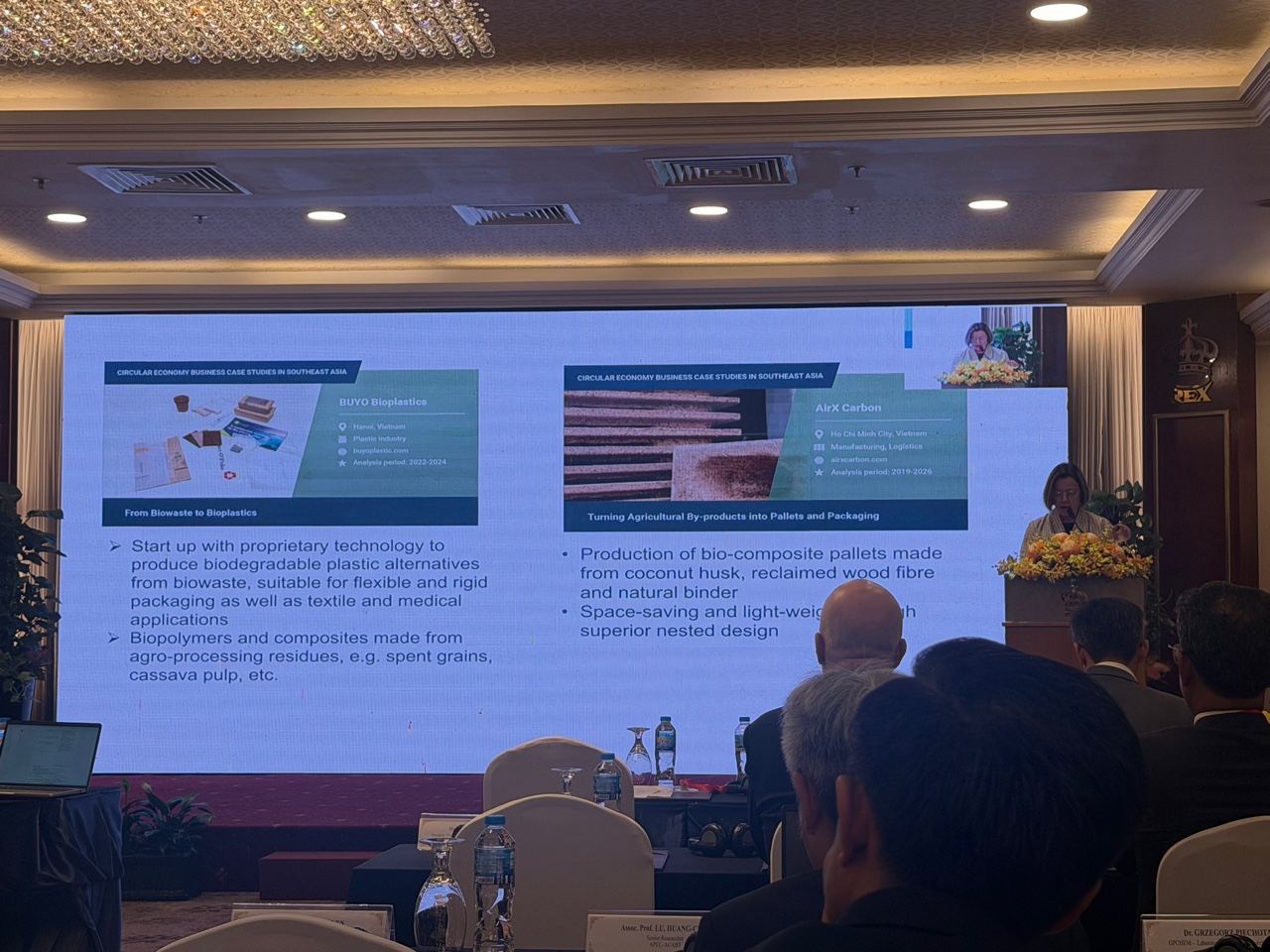
UNDP 아시아태평양 지역팀은 물질의 채굴과 가공이 전 세계 온실가스 배출의 절반 이상을 차지한다는 점에서 출발해, 순환경제를 각국의 국가온실가스감축목표(NDC)와 공공조달 정책에 넣어야 한다고 했다. 이어 동남아시아의 사례가 소개됐다. 맥주박과 카사바 펄프 같은 농산 가공 잔여물로 생분해성 소재를 만드는 하노이의 스타트업, 코코넛 껍질과 회수 목섬유로 팔레트를 만드는 호치민의 기업, 커피 열매 껍질로 만든 카스카라 차, 그리고 수량과 농가 소득을 함께 높이는 쌀 가치사슬이다.
이 사례들을 규모화 방식으로 정리한 표가 오전 세션에서 가장 시사적인 화면이었다. 커피는 커피 무역상이 모으고 투자하면서, 쌀은 쌀 유통상이 모으고 농가를 지도하면서 규모가 되었다. 생분해 소재는 대형 식음료·소비재 기업과의 원료 공급 파트너십과 오프테이크로, 팔레트는 OEM 제조 파트너를 통해 커졌다. 눈여겨볼 것은 쌀의 규모화 수단에 추적성 확보와 지속가능한 쌀 플랫폼(SRP) 인증 가능성이 함께 적혀 있었다는 점이다.
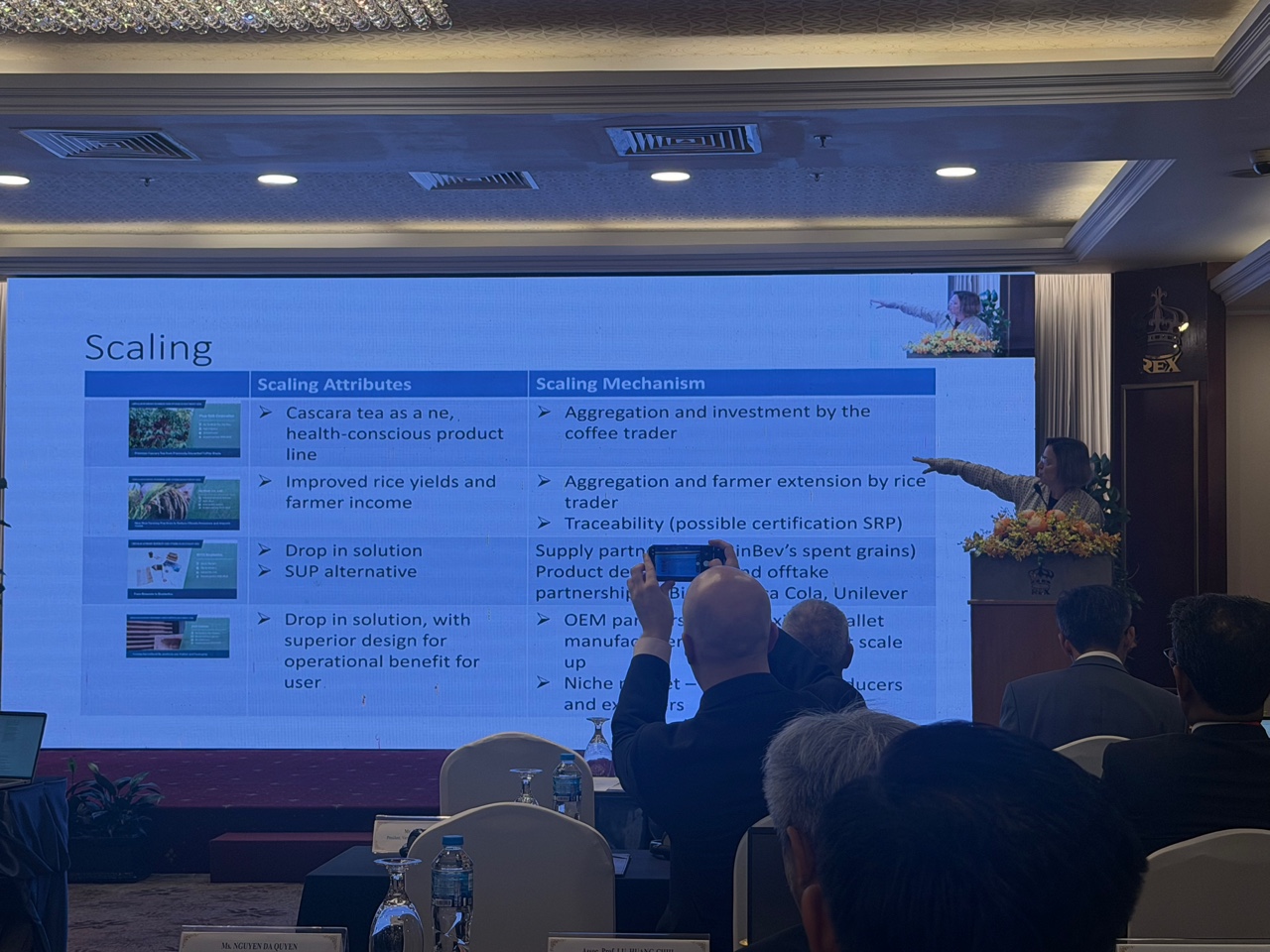
이 표를 데이터의 관점에서 다시 읽으면 하나의 패턴이 보인다. 규모가 된 사례에서는 누군가가 흩어진 상류의 품질과 양을 대신 확인하고 책임졌다. 무역상과 유통상은 집적하면서 사실상 검수와 기록을 맡았고, 인증은 그 확인을 제3자가 증명하는 장치였다. 오프테이크 계약이 가능했던 것도 사 주는 쪽이 받을 원물의 규격을 믿을 수 있었기 때문이다. 즉 규모화의 실제 동력은 기술 자체보다 상류의 공백을 메운 신뢰였다. 다만 그 신뢰는 사람과 관계에 기대고 있어, 다른 지역이나 다른 품목으로 그대로 옮겨지지 않는다. 발표가 아세안 다국가 테스트베드에서 재생 원료의 정의와 디지털 추적성을 함께 풀자고 제안한 것도, 이 신뢰를 국경을 넘어 통하는 형태로 만들 필요가 있다는 뜻으로 읽었다.
5. AgUni의 독해: 검증된 데이터가 공백을 닫는다
베트남 산업무역부는 개회사에서 데이터가 있어야 녹색 정책을 측정할 수 있고, 측정할 수 있어야 금융이 붙는다고 했다. 이 말을 농장 단계에 적용하면 AgUni가 풀고 있는 문제가 그대로 드러난다. 공백을 닫는 데이터는 세 가지 조건을 갖춰야 한다고 본다.
첫째, 데이터가 생산 단계에서 태어나야 한다. 수거 지점의 기록은 아무리 정밀해도 그 이전을 설명하지 못한다. 물, 에너지, 투입재, 환경 조건이 생산하는 그 자리에서 함께 기록되어야 원물 하나하나가 자기 이력을 갖는다. AgUni는 유닛 단위의 환경·투입·생산·성분 기록을 국가 표준 코드와 호환되는 형식으로 쌓아 왔고(C), 앞선 리서치 노트에서는 SDG 2.4.1의 11개 하위지표 가운데 7개를 설문 없이 유닛 기록으로 답할 수 있다고 분석했다.
둘째, 데이터가 비교 가능한 단위에 묶여야 한다. 흩어진 농가의 기록은 조건이 제각각이라 서로 비교하기 어렵다. 같은 도면으로 반복되는 생산 단위라면 이야기가 달라진다. AgUni의 표준 유닛은 100 × 32 × 17 m, 바닥 3,300 m²의 밀폐형 양압 구조이고(A), 화성 AgUni 밸리에는 2026년 기준 30개월의 운영 기록이 쌓여 있다(B). 단위가 같으면 한 유닛의 기록이 다음 유닛의 기준이 되고, 평균이 아니라 실측끼리 비교할 수 있다. 노르웨이 발표가 바이오리파이너리에 붙인 조건, 즉 흩어진 원천 가까이 가야 한다는 말도 이렇게 읽을 수 있다. 원천 가까이 두는 것이 표준 단위라면, 측정의 비용도 함께 내려간다.
셋째, 데이터가 제3자에 의해 확인될 수 있어야 한다. 앞의 표에서 인증이 맡았던 역할을, 기록 자체가 감사 가능한 형태로 남는 방식으로 대신할 수 있다. AgUni는 경북 산업용 헴프 규제자유특구에서 2년 동안 마약류관리법에 준하는 생산·폐기 보고를 이행하며 실증을 마쳤다(B). 규제기관이 매 생산마다 확인하는 체계 안에서 기록을 남겨 본 경험은, 개회 발표가 강조한 샌드박스와 리빙랩 논의에서 가장 실질적인 근거라고 생각한다.
6. 공백이 닫히면 무엇이 금융 가능해지는가
데이터 공백은 금융의 언어로 바꾸면 불확실성이고, 불확실성은 위험 프리미엄이 되거나 아예 거래가 성립하지 않는 이유가 된다. 농장 단계가 평균으로 채워져 있는 한, 금융기관은 순환경제 사업의 상류를 평가할 근거가 없다. 공백이 닫히면 세 가지가 달라진다.
먼저 차이에 값을 매길 수 있다. 실측으로 기록된 원물은 평균보다 나은 만큼을 증명할 수 있고, 그 차이가 녹색 조달이나 저탄소 원료 프리미엄으로 연결될 수 있다. UNDP가 순환경제를 NDC와 공공조달에 넣자고 한 제안이 실제로 작동하려면, 조달하는 쪽이 확인할 수 있는 상류 데이터가 있어야 한다. 다음으로 계약의 대상이 바뀐다. AgUni가 지난 6월 Food Security SummitX에서 말했듯, 자본은 수확물을 사는 것이 아니라 생산 능력을 계약한다. 검증된 기록을 가진 생산 단위는 그 능력을 계약 가능한 형태로 보여 줄 수 있다. 마지막으로 탄소는 업사이드로 붙는다. 검증된 감축 실적은 추가 수익이 될 수 있지만, 사업의 기본 상환 재원은 원물과 생산 능력의 계약에서 나와야 한다. 데이터가 먼저 서야 이 순서가 지켜진다.
7. 오후로 가져가는 질문
오후에는 녹색 금융, 디지털 추적성, 순환 바이오경제를 다루는 주제별 세션이 이어진다. AgUni는 세 가지 질문을 들고 들어간다.
- 금융기관은 순환경제 사업의 상류 데이터가 어느 수준까지 확인되어야 위험으로 보지 않는가.
- 디지털 추적성 논의에서 첫 기록은 어디서 시작되는가. 수거 지점인가, 생산 지점인가.
- 바이오경제의 원천인 농산 바이오매스에 대해 집적하는 쪽이 요구하는 규격은 무엇인가.
답은 다음 편에 적는다.
8. 한계
- 이 글은 오전 개회·기조 세션만 다룬다. 고위급 대화, 오후 세션, 폐회 메시지는 다음 편에서 다룬다.
- 발표 내용은 현장 녹음의 자동 요약과 발표 화면 사진을 바탕으로 재구성했다. 직접 인용이 아니라 요지이며, 일부 수치는 화면 일부가 가려진 상태에서 확인했다.
- LCA의 1차·2차 데이터와 Scope 3에 관한 설명은 일반적인 실무 관행을 정리한 것이며, 특정 기업이나 제품의 수치가 아니다.
- 규모화 사례에 대한 해석(누가 상류의 공백을 메웠는가)은 발표 화면에 근거한 AgUni의 독해다.
- 등단자의 실명은 적지 않고 소속 기관까지만 표기했다.
- AgUni는 이 논의의 이해관계자다.
Postscript — 2030 이후의 순환은 어디서 시작하는가
APRSCP는 이번 회의의 메시지를 2030 이후의 지속가능발전 의제로 가져가려 한다. SDG 12(지속가능한 소비·생산)가 끝나는 자리에서 다음 목표를 무엇으로 삼을지 논의가 시작된 셈이다. 지난 8월 울란바토르의 UNCCD COP17에서 AgUni가 붙든 질문은, 누가 땅의 상태와 생산성에 대해 시간을 두고 책임질 수 있는가였다. 호치민에서 붙든 질문은, 순환의 상류를 누가 측정하고 증명할 것인가다. 두 질문은 같은 곳에서 만난다. 다음 목표가 무엇이 되든, 그 목표를 재는 첫 숫자는 농장에서 나와야 한다고 생각한다.
References
- APRSCP, 18th APRSCP International Conference Programme Book, "Bridging Science and Industry: Advancing Circular, Digital and Green Transformation for a Decarbonized Economy", 2026-10-26, Rex Hotel, Ho Chi Minh City.
- AgUni, 현장 녹음 자동 요약(오전 개회·기조 세션), 2026-10-26. 내부 자료.
- 각 세션 발표 화면(APRSCP 2026 목표, SCP 영역 도식, 태국 SCP 네트워크 조직도, 일본 순환형 사회 형성 기본계획의 변천, 노르웨이 에너지 현황과 핵심 요점, 동남아시아 순환경제 사례와 규모화 표), AgUni 현장 촬영, 2026-10-26.
- AgUni Insights, SDG 2.4.1 하위지표와 AgDome 유닛 데이터 리서치 노트, 2026-09-06.
- AgUni Insights, Food Security SummitX 2026 필드 리포트, 2026-06-30.
- AgUni Insights, 경북 산업용 헴프 규제자유특구 실증 리서치 노트, 2026-09-14.
- AgUni Insights, UNCCD COP17 울란바토르 필드 리포트, 2026-08.
The Unmeasured Upstream — 18th APRSCP Roundtable Field Report, Part 1: Circularity's Data Gap Sits at the Farm
Date and venue: Monday 26 October 2026, Rex Hotel, Ho Chi Minh City, Viet Nam. The 18th APRSCP International Conference, an official side event of the Autumn Economic Forum (AEF 2026, 26–29 October). This is the first part of AgUni's AEF 2026 field-report series and covers the opening and keynote sessions. The high-level dialogue, afternoon thematic sessions and closing messages follow in the next part. Summary
The Asia Pacific Roundtable for Sustainable Consumption and Production (APRSCP) held its 18th annual meeting in Ho Chi Minh City. Three phrases recurred through the morning: system change (SCP 3.0), dual transformation (digital and green together), and testbeds. Look again at the slides one by one, though, and a common blank appears. The life-cycle diagrams ran from upstream to downstream, but the very front of that upstream, the farm, was left unmeasured. Agricultural produce was named as by-product and biomass, and the conditions under which it was made are mostly filled in with averages.
AgUni sees this gap as the most basic reason circularity has not crossed into finance. The data is not missing; it is averaged. Raw produce grown well and raw produce grown poorly are recorded with the same number, and finance cannot price the difference. The cases presented this morning that reached scale were, in the end, cases where someone filled that gap on the market's behalf. When verified data is generated per production unit upstream, the gap closes, and circularity becomes a financeable asset.
Evidence grades: A design specification · B operating record · C research trial · D design target / estimate.
1. Coordinates: SCP 3.0 and dual transformation
Since 1997 APRSCP has served as the regional platform for sustainable consumption and production in Asia and the Pacific. This year's conference was hosted by Vietnam National University, Ho Chi Minh City (VNU-HCM), co-organised with the Ho Chi Minh City People's Committee and the Ministry of Industry and Trade's National Action Programme on Sustainable Production and Consumption (2021–2030), and run by APRSCP, VNU-HCM's Institute for Circular Economy Development (ICED), Japan's Institute for Global Environmental Strategies (IGES) and the Centre for the Fourth Industrial Revolution in Ho Chi Minh City (C4IR).
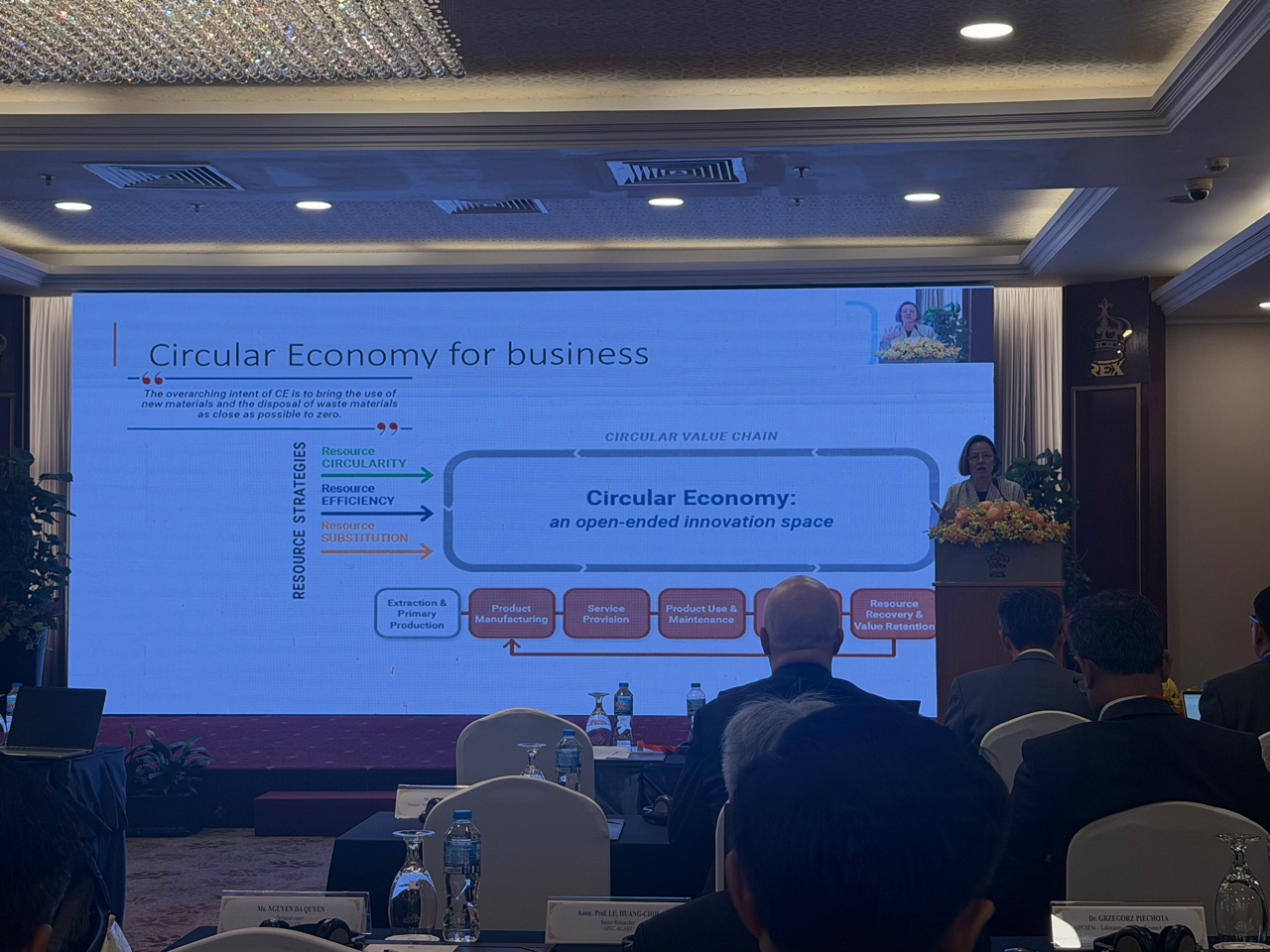
The opening presentation framed SCP in three stages. If 1.0 was cleaner production and 2.0 resource efficiency, 3.0 binds net zero, circularity and nature-positivity into one system transition. The 2026 objectives pointed the same way: from material efficiency to system change; simultaneous transformation of policy, business models and lifestyles; and putting dual transformation into practice through digital infrastructure and a bridge between science and industry. The means named were digital infrastructure, evidence-based policy and linking upstream and downstream loops.
Thailand's SCP network supports the Thai SCP Roadmap 2017–2037 through an eleven-node structure joining business, academia, government and community, with low-carbon agriculture among its priorities alongside tourism destinations and local government. It was good to see the triple helix AgUni proposed in Kuala Lumpur in 2025, with community added. The outcome is to be consolidated as the APRSCP 2026 Ho Chi Minh City Key Messages and carried into the Pathways to 2030 process, the Asia-Pacific Forum on Sustainable Development (APFSD) and the High-Level Political Forum (HLPF).
2. A blank on the diagram: the upstream is drawn but not measured
The slide that held attention longest in the opening was the diagram of SCP's two domains. On the left, the circular-economy domain follows the life cycle through production and trade, manufactured goods, food and waste management; on the right, the decarbonisation domain runs through infrastructure, housing and mobility. An axis ran from upstream at the top to downstream at the bottom. Food sat clearly inside the life cycle. But the farm where that food begins, the very front of the upstream, had no place of its own anywhere on the diagram.
That blank is not a drawing problem; it is a data problem. In life-cycle assessment the factory stage is usually filled with primary data the factory measures itself. The farm stage, by contrast, is often filled with secondary data such as national averages or default emission factors from databases. It is widely recognised in the industry that most of a food company's footprint sits in its agricultural raw materials, in the purchased goods of Scope 3. The largest share sits where measurement is weakest.
The keynote from Japan's Ministry of the Environment showed why this matters, from the other direction. Japan's first Fundamental Plan for Establishing a Sound Material-Cycle Society in 2003 began with three numerical targets: cyclical use rate, resource productivity and final disposal. It started by managing what could be measured. Two decades of that accumulation have widened, in the current fifth plan, into a national strategy that also covers economic security, industrial competitiveness and regional revitalisation. Japan's trajectory says that for circular policy to become industrial policy, material flows must first be captured in numbers.
3. Why the farm stays a gap
The keynote from the University of Stavanger in Norway was candid from the start. Only about 2.5 % of Norway's economy is circular, and fragmented value chains keep resource use from falling. Norway draws 98 % of its electricity from hydropower and wind, yet 90 % of the energy it produces is oil and gas, and bioenergy is about 7.5 % of primary energy supply, against 31 % in Finland and 26 % in Sweden.
The most important line in that talk was the diagnosis that biomass is scattered. Because it is scattered, biorefining must move close to the source; because it is scattered, measurement is hard too. The farm stays a gap for three reasons.
First, units are small and many. Countless smallholders produce under different conditions, and measuring each farm costs more than the value that farm creates. Second, variation is large. The same crop varies in composition and volume with season, weather and soil; a value measured once does not fit the next harvest. Third, records begin after production. Most traceability systems make their first entry at collection or shipment. Which water, energy and inputs went into the material happened before that, outside the record.
The result is that the farm stage is not empty of data but filled with averages, and that is where the gap's real cost lies. Recorded at the average, raw produce grown carefully with less water and energy carries the same number as produce that was not. A difference that is not recorded cannot be priced. For someone who came into this field from outside agriculture, this is what stands out most often: there is a real difference in the field, and it vanishes the moment it is turned into numbers.
4. The cases scaled when someone filled the gap
UNDP's Asia-Pacific team started from the fact that material extraction and processing account for more than half of global greenhouse-gas emissions, and argued that circularity belongs in Nationally Determined Contributions and public procurement. Southeast Asian cases followed: a Hanoi start-up making biodegradable materials from agro-processing residues such as spent grain and cassava pulp; a Ho Chi Minh City company making pallets from coconut husk and reclaimed wood fibre; cascara tea from coffee cherry husk; and a rice value chain raising both yields and farmer income.
The most telling slide of the morning was the table summarising how these cases scaled. Coffee scaled as a coffee trader aggregated and invested; rice as a rice trader aggregated and provided farmer extension. The biomaterial grew through supply partnerships and offtake with large food, beverage and consumer-goods companies; the pallets through OEM manufacturing partners. Notably, the rice case listed traceability and possible Sustainable Rice Platform (SRP) certification among its scaling mechanisms.
Read through the lens of data, the table shows one pattern. In every case that scaled, someone checked and took responsibility for the quality and volume of a scattered upstream. Traders and distributors, while aggregating, effectively took on inspection and record-keeping; certification was the device by which a third party attested to that check. Offtake was possible because the buyer could trust the specification of what it would receive. The real engine of scale was less the technology than the trust that filled the upstream gap. Yet that trust rests on people and relationships, and does not transfer as-is to another region or another crop. The proposal to resolve definitions of secondary materials and digital traceability through ASEAN multi-country testbeds reads, to AgUni, as a call to make that trust work across borders.
5. AgUni's reading: verified data closes the gap
In its opening remarks Viet Nam's Ministry of Industry and Trade said that data makes green policy measurable, and what is measurable becomes bankable. Apply that to the farm stage and the problem AgUni is working on comes into view. Data that closes the gap, in AgUni's view, must meet three conditions.
First, it must be born at production. A record at the collection point, however precise, cannot explain what came before. Water, energy, inputs and environmental conditions have to be recorded together at the point of growing, so that each batch of raw produce carries its own history. AgUni has accumulated unit-level environment, input, output and compound records in a format compatible with national standard codes (C), and an earlier research note found that seven of the eleven SDG 2.4.1 sub-indicators can be answered from unit records without a survey.
Second, it must be tied to comparable units. Records from scattered farms are hard to compare because conditions differ. Production units repeated from the same drawings change that. AgUni's standard unit is a sealed positive-pressure structure of 100 × 32 × 17 m on a 3,300 m² floor (A), and AgUni Valley in Hwaseong holds thirty months of operating records as of 2026 (B). When the unit is the same, one unit's record becomes the baseline for the next, and measurements can be compared with measurements rather than averages. The Norwegian condition for biorefineries, to move close to scattered sources, can be read this way too: if what is placed near the source is a standard unit, the cost of measurement falls with it.
Third, it must be verifiable by a third party. The role certification played in the table can be taken over by records that are themselves kept in auditable form. AgUni completed a two-year trial in the Gyeongbuk industrial-hemp regulatory-free special zone, fulfilling production and disposal reporting under the Narcotics Control Act (B). Having kept records inside a system where a regulator checks every production run is, in AgUni's view, the most practical evidence it can bring to the sandbox and living-lab discussion stressed in the opening.
6. What becomes financeable when the gap closes
Translated into the language of finance, a data gap is uncertainty, and uncertainty becomes a risk premium or a reason no deal is made. As long as the farm stage is filled with averages, financial institutions have no basis for assessing the upstream of a circular business. When the gap closes, three things change.
Difference can be priced. Raw produce recorded by measurement can prove how much better than average it is, and that difference can connect to green procurement or a low-carbon ingredient premium. For UNDP's proposal to put circularity into NDCs and procurement to work, the procuring side needs upstream data it can check. The object of the contract changes. As AgUni said at Food Security SummitX in June, capital does not buy a harvest; it contracts production capacity, and a production unit with verified records can show that capacity in contractable form. And carbon attaches as upside. Verified reductions can add revenue, but a business's base repayment must come from contracts for raw produce and production capacity. Data has to stand first for that order to hold.
7. Questions for the afternoon
The afternoon brings thematic sessions on green finance, digital traceability and the circular bioeconomy. AgUni goes in with three questions.
- To what level must upstream data in a circular business be verified before financial institutions stop treating it as risk?
- In the traceability discussion, where does the first record begin: at collection, or at production?
- For agricultural biomass, the source of the bioeconomy, what specifications do aggregators require?
The answers go into the next part.
8. Limitations
- This report covers only the morning opening and keynote sessions. The high-level dialogue, afternoon sessions and closing messages follow in the next part.
- Content is reconstructed from an automated summary of the on-site recording and photographs of presentation slides. Points are paraphrased rather than quoted, and some figures were read from partly obscured slides.
- The description of primary and secondary data in LCA and of Scope 3 summarises general practice and does not refer to figures for any specific company or product.
- The interpretation of the scaling cases (who filled the upstream gap) is AgUni's reading of the presentation slides.
- Speakers are not named; only their institutions are given.
- AgUni is a stakeholder in this discussion.
Postscript — where does circularity after 2030 begin?
APRSCP intends to carry this meeting's messages into the post-2030 sustainable-development agenda; the discussion of what follows SDG 12 on sustainable consumption and production has begun. At UNCCD COP17 in Ulaanbaatar in August, the question AgUni held on to was who can remain accountable for the condition and productivity of land over time. In Ho Chi Minh City the question is who will measure and prove the upstream of circularity. The two questions meet in the same place. Whatever the next goal becomes, the first number that measures it should come from the farm.
References
See the Korean-language list above.
Bella Gwon, Founder & CEO, AgUni