Sense
Temperature, humidity, CO₂, light, soil and nutrient, energy use — collected per unit. 30 months of continuous data at AgUni Valley.
 KO · EN
AgOS · Operate · Verify
AgOS reads energy, environment and growth inside AgDome (Sense), controls them by SOP (Control), and leaves operating results as verifiable records (Verify). Repeated field experience becomes SOP; SOP becomes the baseline for the next AgDome.
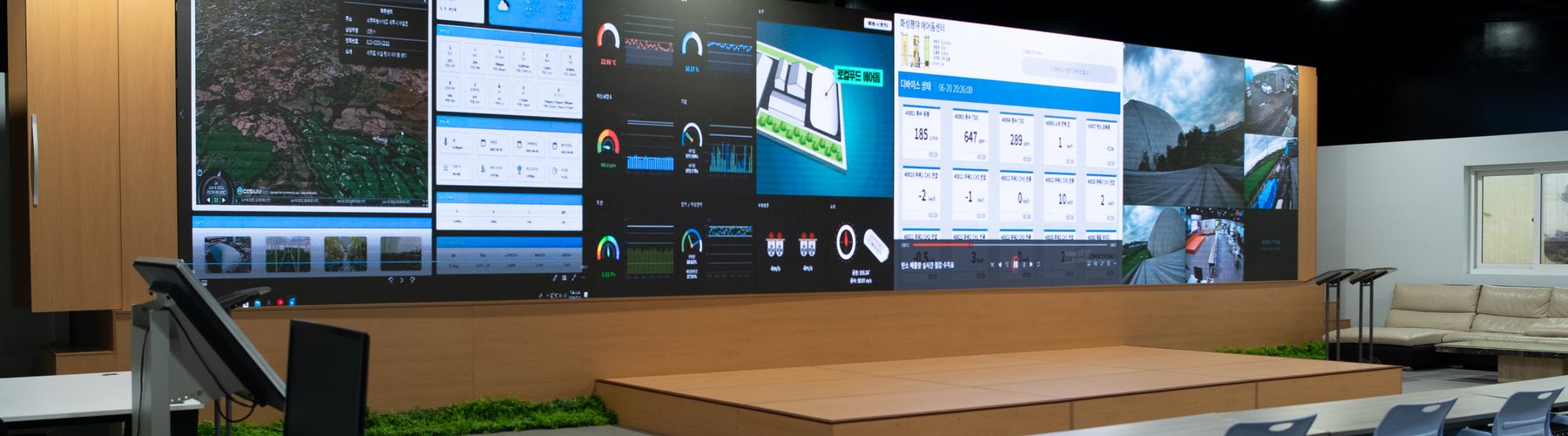
Temperature, humidity, CO₂, light, soil and nutrient, energy use — collected per unit. 30 months of continuous data at AgUni Valley.
Crop-specific recipes and operating SOPs hold the environment within ±0.5°C, with active control of the hybrid thermal buffer.
Sensor data (environment, energy, production) verified automatically; transaction data (contracts, deliveries) through accounting records; human and community indicators through third-party verification. Three kinds of evidence, one project record.
Why the standard unit matters
Data from open fields and from facilities that all differ cannot be compared. Data accumulated on the same conditions — AgDome — is different. From seed input through growth, harvest and delivery it becomes one continuous record, and that record can mature to a level that replaces origin certification and quality assurance. Once data on the same standard accumulates across many units, agricultural infrastructure becomes a unit that can be valued and financed.
Five things at once: operable infrastructure, sustained demand (contracts), local implementation capacity, measurable outcomes, and a financial structure that can read them. Most projects start with one or two.
AgDome (infrastructure) · Agricultural CDMO (contracted demand) · AgOS (operating capacity and data) · Evidence Layer (measurement and verification) · Impact Framework (a structure finance can read). Our answer to the gap heard repeatedly at UNCCD COP17: "plenty of frameworks, too few implementable projects."
Site Parameters · Deployment Criteria
What we replicate is the standard unit. What we measure locally is the ground it will stand on. A partner fills the five fields; AgOS returns the deployment model and the operating profile the site can expect.
Reference values from Hwaseong are shared at the engagement stage.
Batch Traceability · Seed to Delivery
A quality result can be traced back to the conditions of its batch — and forward into the setpoints of the next one.
Seed lot · Crop Recipe · setpoints
Climate · energy · nutrient, per batch
Batch quality vs. buyer spec
Quantity · date · contract ref.
AgOS for Partners · Multi-site Operation
Climate, crop and equipment status with SOP alerts
Access and export rights, cross-border ownership in the agreement
Crop Recipes and SOPs, deployed and updated under an SLA
Evidence Layer outputs at the cadence lenders and verifiers require
Why it matters
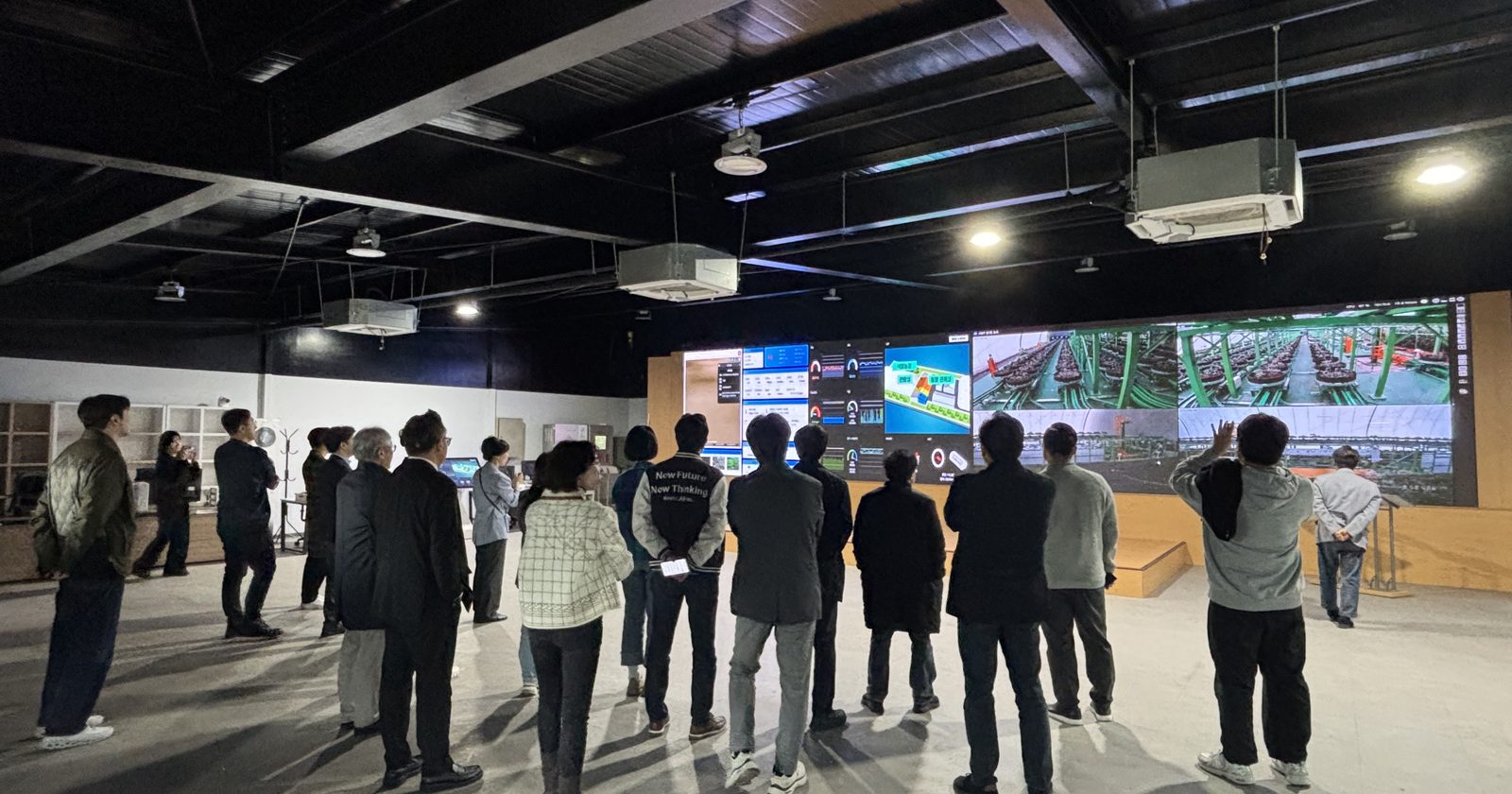
The operating data of the first AgDome becomes the baseline for the next, and evidence the next capital can read. Before it is a farming tool, AgOS is an evidence system that supports operation, impact and finance at once. GROWIDE cultivation technology and crop-recipe assets run inside AgOS as repeatable processes.
Aligned with the 2026 registration of the Hwaseong unit as a physical asset and the security-token regime taking effect in 2027, we are preparing for this record to serve as the basis of an actual financial unit. See the five-step roadmap →